The AI Reality and its impact on Tattooing
Over the last year, we’ve received a number of AI generated tattoo references brought in by our clients occasionally followed by an apology as if they offended us. The first thing we tell them is to never apologize. The reality is, like the rest of the world, AI has introduced itself to tattooing and despite the initial resistance and mixed reviews from tattooers, it would be short-sighted to ignore.
Where problems arise is when AI-generated images are treated as finished tattoo designs rather than conceptual artwork. More often than not, clients become attached to their AI designs because it incorporates "everything" they envisioned. However, a reputable artist would (should) never reproduce an AI-generated design outright for two main reasons.
Tattooing has always been rooted in originality and creativity. Copying an AI-generated image bypasses the creative process and overlooks the artist's responsibility to create something both technically sound and unique to the client.
Beyond the traditional values of tattooing, there's also a technical reality. AI creates unrealistic expectations of what is actually possible on skin. It prioritizes visual complexity over long-term legibility and doesn't account for anatomy, muscle structure, body movement, healing, or how tattoos naturally age. The result is often impossible colour saturation, excessively fine details, and linework that simply won't hold up over time.
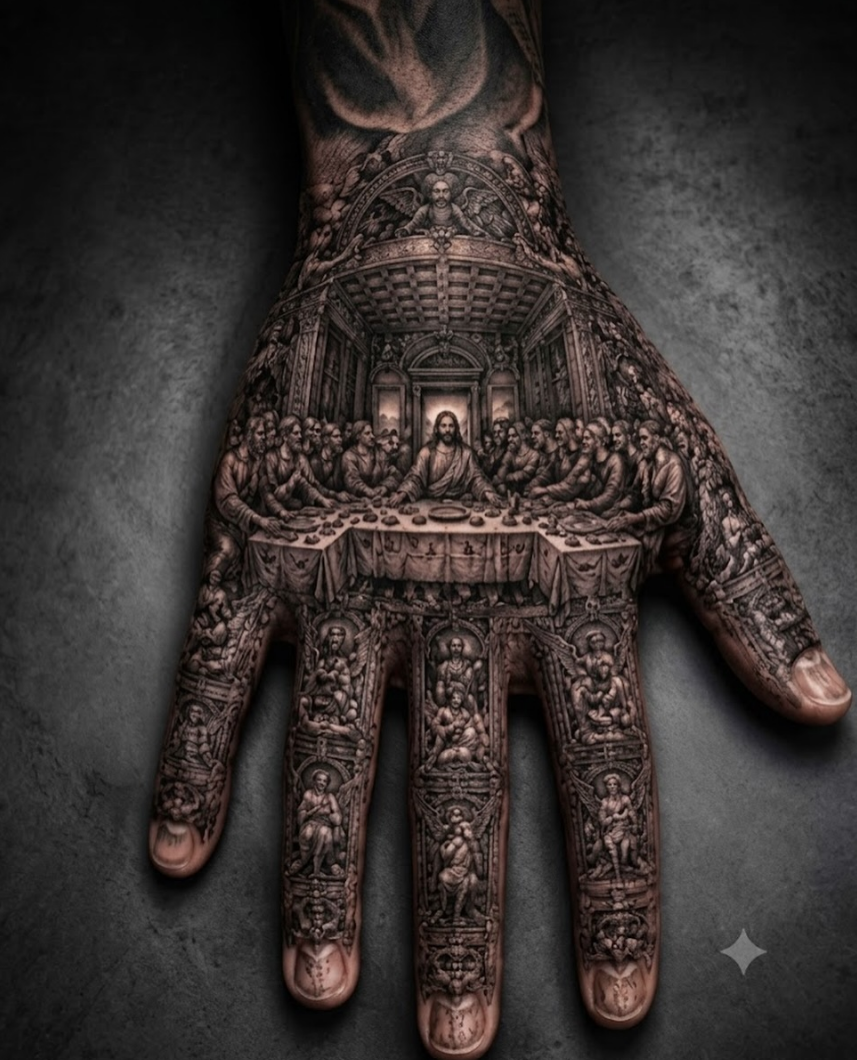
Not happening
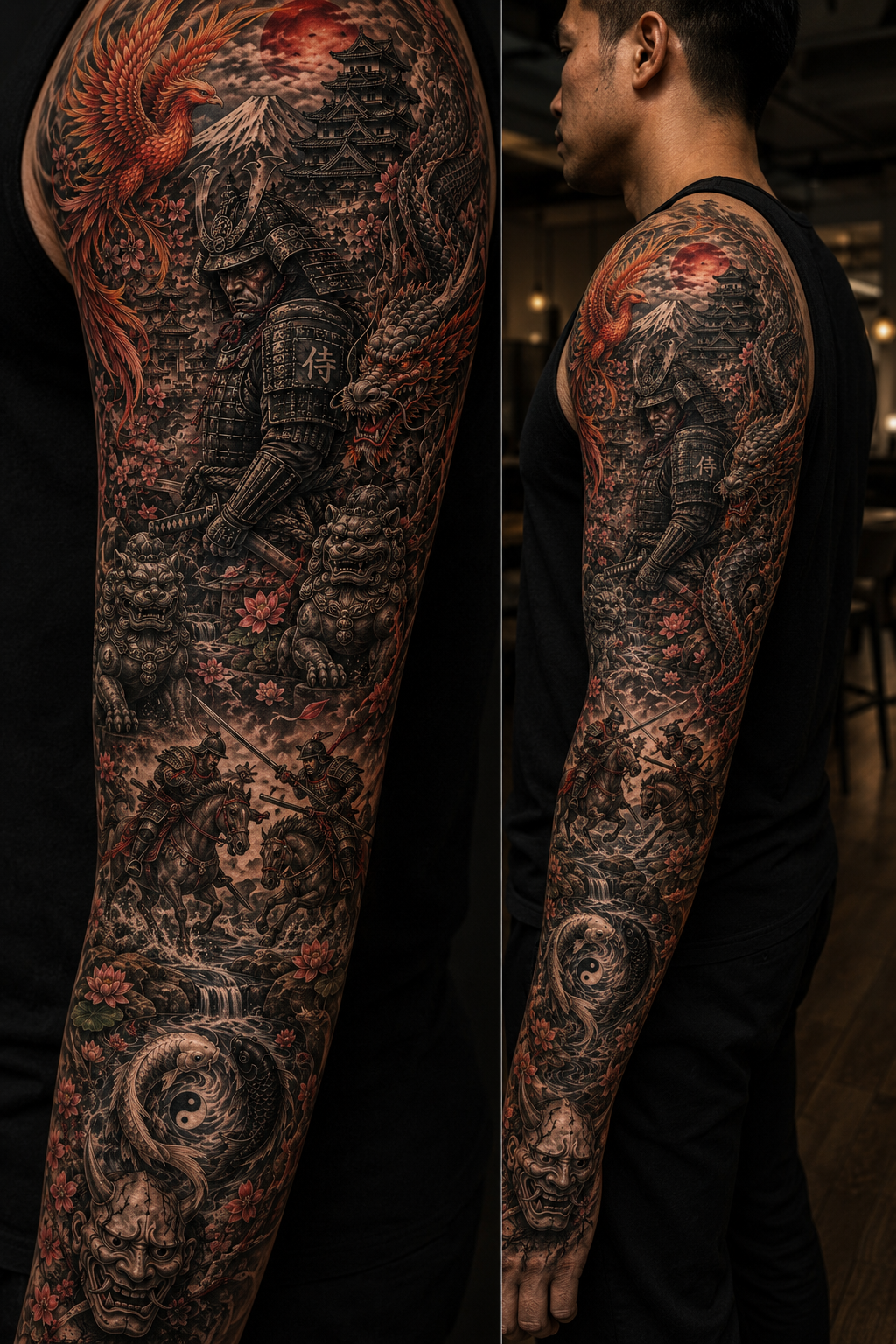
no thanks
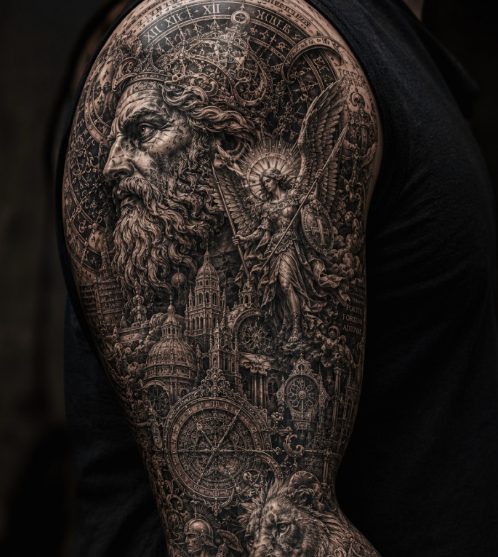
See ya later